 Save
Save My mum has always had a thing for lemon desserts, so when Mother's Day rolled around last spring, I decided to stop buying shop-bought cakes and actually make something from scratch. The kitchen smelled like zest and butter for hours, and watching her face light up when she realised I'd made it myself—not just the cake, but the whole fussy process of poking holes and drizzling—made it suddenly worth every bit of effort. This lemon drizzle cake became the thing I'd remake every year after that, edible flowers and all.
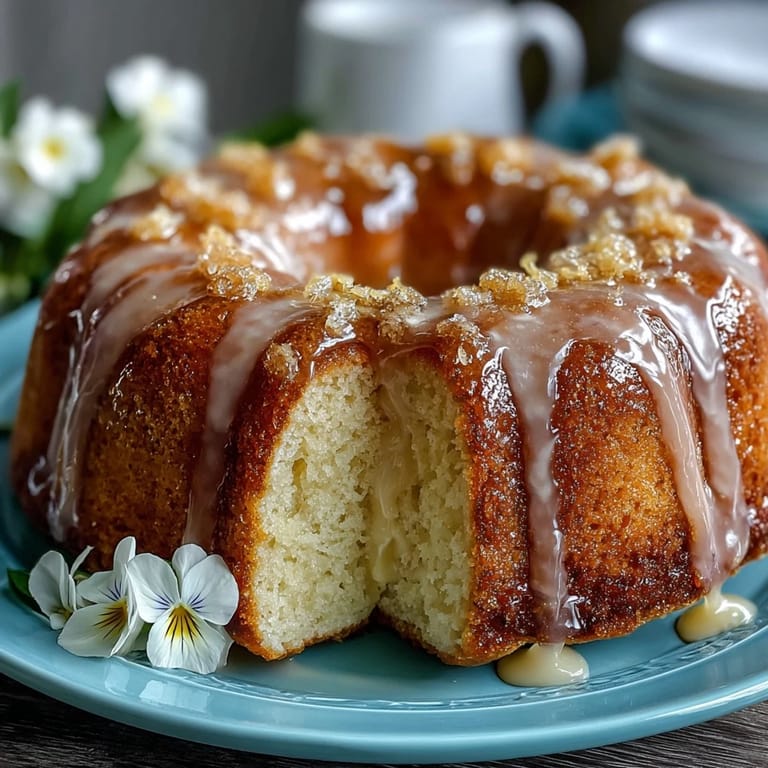
I'll never forget bringing this cake to my neighbour's garden party last summer, still slightly warm and dusted with those violet flowers, and watching three different people ask for the recipe before they'd even finished their first slice. One of them admitted she'd always been intimidated by anything involving citrus, but then she tasted it and realised how forgiving and simple the method really is. That's when I understood this cake isn't just about flavour—it's about confidence and generosity in the kitchen.
Ingredients
- Unsalted butter, softened (225g): Use real softened butter, not melted, so it creams properly with the sugar and traps air into the batter.
- Caster sugar (225g): Caster sugar dissolves faster than granulated, giving you that pale, fluffy texture that signals your creaming is working.
- Large eggs (4): Room temperature eggs mix in smoothly without deflating your batter; take them out of the fridge 15 minutes before you start.
- Self-raising flour (225g): This already has baking powder mixed in, which is why the cake rises so reliably without fussing over separate leavening agents.
- Unwaxed lemon zest (from 2 lemons): Unwaxed lemons mean you're getting actual flavour into the cake, not a waxy coating; microplane it finely so it distributes evenly.
- Whole milk (2 tbsp): A small splash loosens the batter just enough so it pours smoothly without becoming dense.
- Salt (pinch): Even a tiny amount brightens the lemon and keeps the sweetness from becoming cloying.
- Lemon juice (from 2 lemons): Fresh juice only—bottled tastes thin and slightly bitter compared to what you squeeze yourself.
- Icing sugar (125g for drizzle, plus 2 tbsp optional for dusting): The icing sugar and lemon juice create that signature glaze that seeps into the warm cake and then sets into a light crust on top.
- Edible flowers (assorted violas, pansies, nasturtiums, rose petals): These aren't just decoration; they signal that someone took time and care, which is exactly what Mother's Day is about.
Tired of Takeout? 🥡
Get 10 meals you can make faster than delivery arrives. Seriously.
One email. No spam. Unsubscribe anytime.
Instructions
- Get your oven ready and prep your tin:
- Preheat to 180°C (160°C fan) and line a 900g loaf tin with parchment paper so the cake slides out without sticking.
- Cream the butter and sugar until it's pale and fluffy:
- This takes about 3–4 minutes with an electric mixer, or a good 5 minutes if you're using a wooden spoon and some elbow grease; you're essentially whipping air into the mixture, which gives the cake its tender crumb.
- Add the eggs one at a time:
- Beat each egg in thoroughly before adding the next so they emulsify properly; if the mixture looks split or grainy, add a tablespoon of flour and keep mixing.
- Fold in the dry ingredients gently:
- Add the flour, lemon zest, milk, and salt together, folding slowly with a spatula until just combined; overmixing develops gluten and makes the cake tough, so stop as soon as you don't see flour streaks.
- Pour the batter into the tin and bake:
- Level the top with a spatula and slide it into the oven for 40–45 minutes; you'll know it's done when a skewer poked into the centre comes out clean with no wet batter clinging to it.
- Make the drizzle while the cake bakes:
- Whisk the lemon juice and icing sugar together in a small bowl until smooth; it should be thin enough to pour but still coat a spoon.
- Poke and drizzle the warm cake:
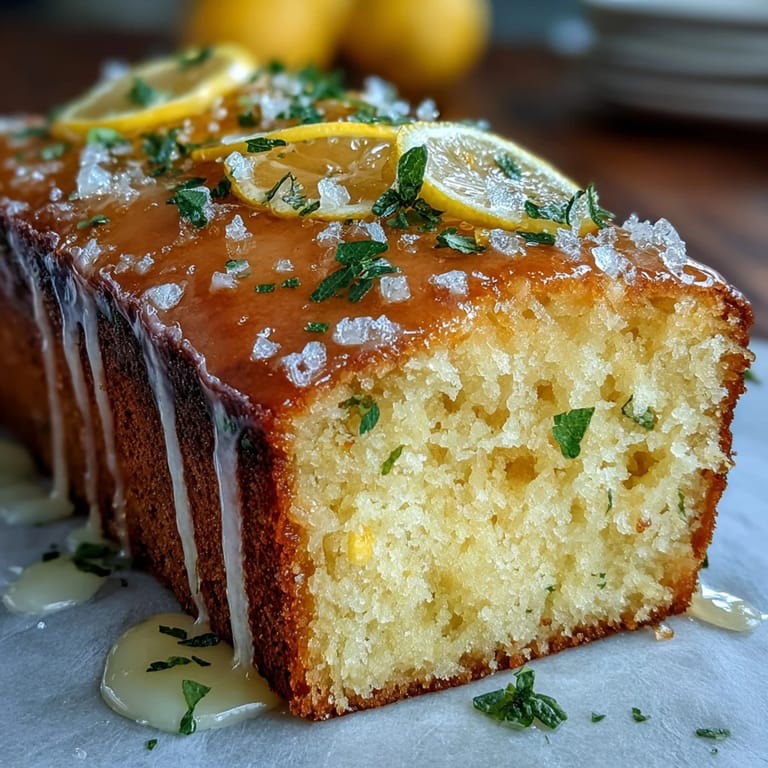
- Once baked, use a skewer to poke holes all over the warm cake, then slowly pour the drizzle over so it soaks deep into every crevice; this is why the cake stays so moist.
- Cool completely before decorating:
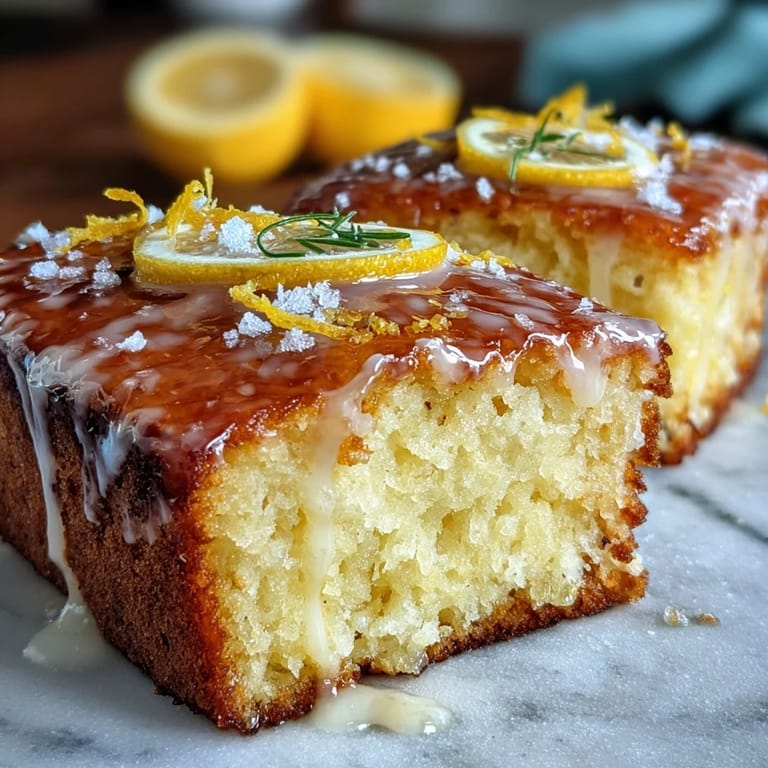
- Let it sit in the tin until completely cool, then turn it out onto a platter, dust with icing sugar if you like, and arrange your edible flowers just before serving so they stay fresh and perky.
 Save
Save There's something about making a cake with your own hands for someone you care about that shifts the whole meaning of the word 'dessert.' It stops being just sugar and flour and becomes a small act of love, especially when you've learned the technique well enough that it comes out perfect. That's what this cake taught me.
Why the Loaf Tin Matters
I used to make this in a round cake tin before someone pointed out that a loaf tin creates those beautiful, evenly-sized slices that look intentional and neat on a plate. The long, narrow shape also means the cake bakes more evenly because heat reaches the centre more consistently than it does in a deeper, wider tin. Plus, there's something inherently elegant about slicing a loaf cake—it feels more special than cutting a round cake into wedges.
The Lemon Zest Trick
I learned the hard way that using a box grater on lemon zest creates uneven pieces that don't distribute through the batter smoothly, so I invested in a microplane and never looked back. A microplane turns the zest into such fine threads that every single crumb of cake gets a little lemon note, whereas chunky bits can sometimes feel grainy and harsh. It's a small tool that makes a real difference in how professional and balanced the final cake tastes.
Making it Your Own
Over the years I've experimented with adding a pinch of ground ginger or a whisper of vanilla extract to the batter, and both work beautifully without overpowering the lemon. I've also learned that serving this cake slightly warm, with a dollop of whipped cream or crème fraîche alongside, makes it feel like you've gone the extra mile. The edible flowers are truly optional but they turn a simple cake into something that photographs well and makes the person eating it feel like they're being treated.
- If you can't find edible flowers, a light dusting of icing sugar and a sprinkle of candied lemon peel works just as beautifully.
- Make this cake the day before serving—it actually tastes better the next day as the flavours meld and the crumb settles into an even finer texture.
- Store it covered at room temperature for up to three days, or wrap it in foil and freeze for up to two months if you want to make it ahead.
 Save
Save This cake has become my go-to for any celebration where someone deserves to feel special, and I hope it becomes yours too. There's real magic in something simple, made with care, that tastes like springtime and thoughtfulness all at once.
Recipe FAQs
- → How do I ensure the edible flowers are safe to use?
Use pesticide-free flowers specifically labeled as safe for consumption. Verify with your supplier or grow your own edible varieties.
- → Can I make this cake gluten-free?
Yes, substitute self-raising flour with a gluten-free blend and add 1 teaspoon of baking powder to maintain texture.
- → What is the best way to apply the lemon drizzle?
After baking, poke holes across the cake’s top using a skewer and slowly pour the lemon drizzle while the cake is still warm to allow absorption.
- → How should I store the cake after preparation?
Store in an airtight container at room temperature for up to two days or refrigerate for longer freshness. Bring to room temperature before serving.
- → Are there any suggested accompaniments for serving?
Serve with whipped cream or a dollop of crème fraîche to enhance the moistness and complement the zesty flavors.