 Save
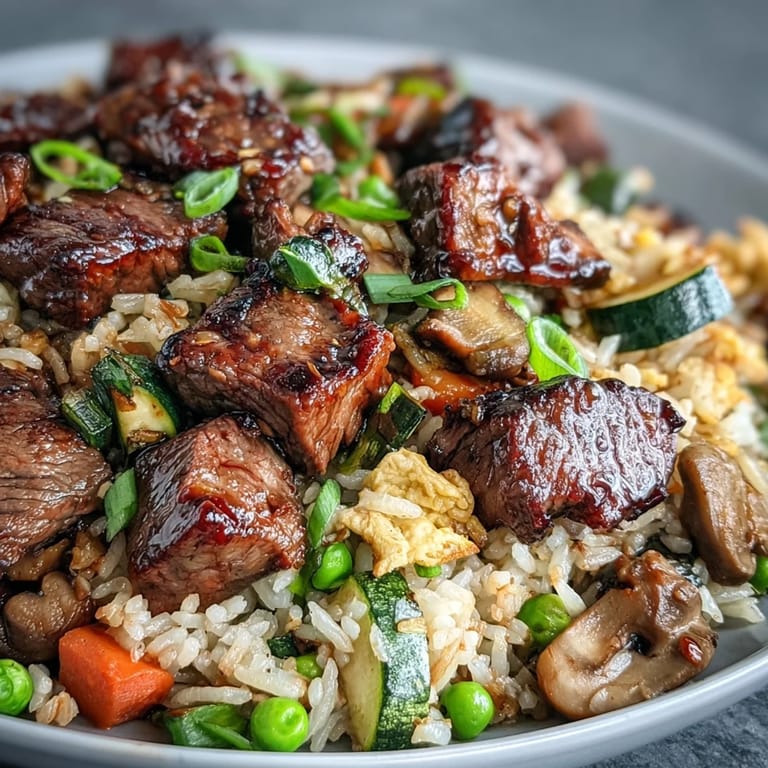
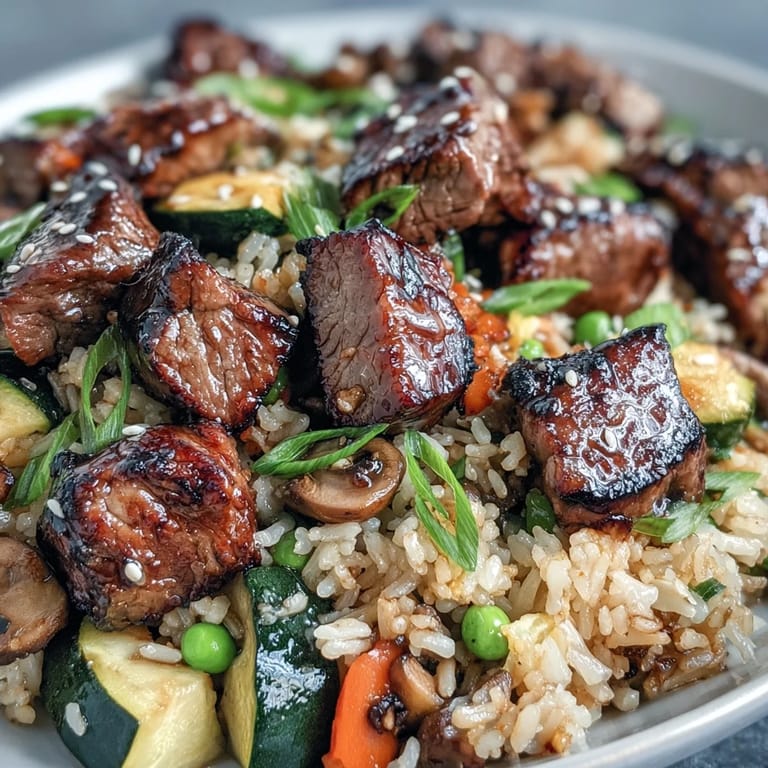
Save My kitchen smelled like a hibachi grill the night I threw together this steak and fried rice on a Tuesday after work, no reservations needed. I'd been craving that sizzling, buttery experience without the restaurant bill or the wait, so I raided my fridge for leftover rice and whatever vegetables looked decent. What started as a practical weeknight solution turned into something I now make on purpose, because somehow the flavors get better when you're not overthinking it. The sesame oil hits differently when you're standing right there at the stove, watching everything come together in one pan. This dish proved that restaurant-quality doesn't require a fancy kitchen or hours of prep.
I made this for my roommate on a random Thursday, and she walked in mid-cook asking what that incredible smell was. By the time she tasted it, she was already planning when she'd ask me to make it again, and now it's become our go-to meal when we want something impressive but quick. There's something about the combination of tender steak, crispy rice, and those little pockets of butter that makes people slow down and actually pay attention to what they're eating.
Ingredients
- Sirloin steak (1 lb), cut into 1-inch cubes: Sirloin cooks fast and stays tender when cut small, which is exactly what you want for this quick-cooking style.
- Low-sodium soy sauce (3 tbsp total): Using low-sodium lets you control the salt level instead of wondering why your whole dish tastes like the ocean.
- Mirin or dry sherry (1 tbsp): This adds a subtle sweetness that balances the salty soy and makes the marinade taste more complex than it should.
- Sesame oil (1 tbsp): A little goes a long way, and this is where much of the hibachi flavor actually comes from.
- Jasmine rice (3 cups, cooked and cooled): Day-old rice is non-negotiable because cold rice grains stay separate instead of turning mushy and clumpy.
- Vegetable oil (2 tbsp): This is your workhorse for getting high enough heat without burning the more delicate flavors.
- Mixed vegetables (onion, carrots, zucchini, mushrooms, peas): These should be roughly the same size so they cook evenly and give you varied textures in each bite.
- Eggs (2 large): The eggs scramble into ribbons that add richness and help bind everything together.
- Unsalted butter (1 tbsp): This finishes the dish with a richness that makes it taste restaurant-made.
- Green onions (2, thinly sliced): Fresh green onions add brightness right at the end so they don't lose their crisp texture.
Tired of Takeout? 🥡
Get 10 meals you can make faster than delivery arrives. Seriously.
One email. No spam. Unsubscribe anytime.
Instructions
- Prep and marinate the steak:
- While you're cutting up vegetables, let your steak cubes sit in the soy sauce mixture for at least 10 minutes so the flavors start working their way in. This small pause makes a real difference in how flavorful each piece tastes.
- Sear the steak until golden:
- Get your pan smoking hot, then add the steak in a single layer and don't stir it constantly, because you want those browned edges that bring out the meat's richness. Two to three minutes and you should have pieces that look caramelized, not gray.
- Sauté the vegetables until tender-crisp:
- In the same pan, the vegetables pick up all those browned bits left behind by the steak, which is where a lot of the flavor lives. Four to five minutes gets them cooked through but still with a slight firmness that makes the texture interesting.
- Scramble the eggs in the cleared space:
- Push everything to the sides and pour in your beaten eggs right into the center, letting them scramble until they're just set but still slightly glossy. This creates little ribbons of egg throughout the rice.
- Combine everything with the rice:
- Add the rice and steak back in with the peas, then toss everything so no clump escapes without being broken apart. The soy sauce goes in here too, coating everything evenly.
- Finish with butter and green onions:
- This is the moment that transforms it from good fried rice into restaurant-style fried rice, so don't skip it. Two to three more minutes of frequent stirring lets the butter distribute and gives the rice those golden, crispy edges.
 Save
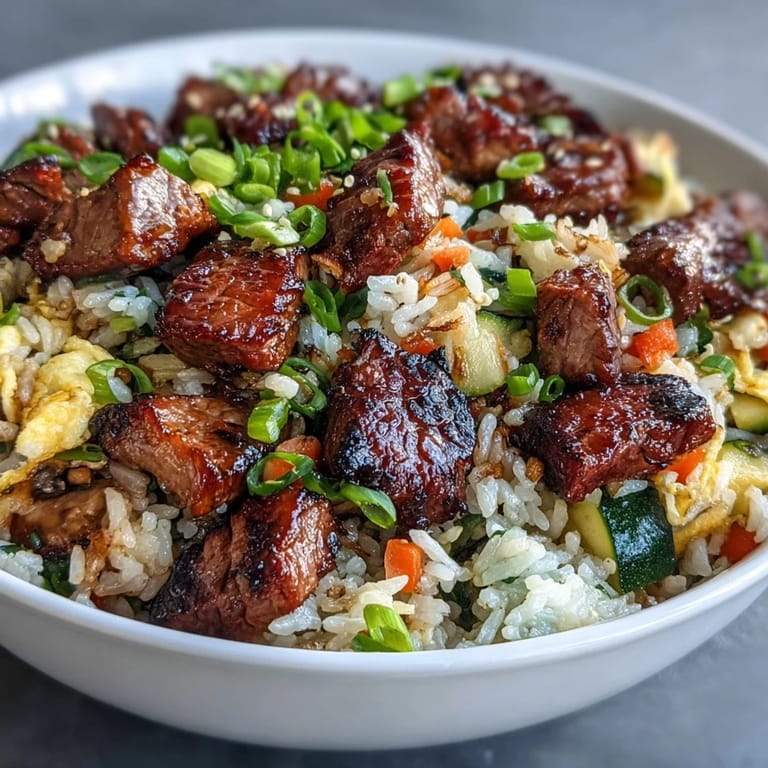
Save I realized this became my comfort meal when I found myself making it at 6 p.m. on a stressful Friday just because I knew it would feel good to cook something that comes together so cleanly. There's something almost meditative about the rhythm of stir-frying, the way the pan sounds different at different stages, and how quickly you go from empty-handed to holding a plate of something delicious.
Why Day-Old Rice Changes Everything
I learned this the hard way when I used fresh rice and ended up with something that looked like congee instead of fried rice, and I've never made that mistake twice. The moisture in freshly cooked rice turns the whole dish soft and sticky, but when rice sits in the fridge overnight, it dries out just enough that each grain separates and fries properly. If you don't have leftover rice, you can spread warm rice on a baking sheet and let it cool completely, though real day-old rice is still the ideal choice.
Customizing Your Protein
Steak is my first choice because it cooks so fast and takes on the marinade beautifully, but this dish is actually flexible enough that you can swap in whatever protein you have. Shrimp takes about the same time as the steak, while chicken breasts need to be cut thin and might take a minute or two longer to cook through safely.
Building Layers of Flavor
The magic of this dish comes from letting each component contribute its own flavor instead of mixing everything blindly at the start. The steak gets a head start in the marinade, the vegetables pick up the fond from the meat, the eggs add richness, and the butter and green onions finish with brightness and depth.
- Toast your sesame oil in the hot pan for just a few seconds before adding the steak so its aroma blooms instead of cooking off.
- Taste everything at the very end because you might want more soy sauce or a pinch more salt depending on how your ingredients behaved.
- Serve immediately while the rice still has some warmth and crispiness, because fried rice gets soft again as it cools.
 Save
Save This is the kind of meal that reminds you why cooking at home beats waiting in line, and it comes together in less time than delivery would take anyway. Make it once, and it becomes the dish you reach for when you want to feel like you're in control of dinner.
Recipe FAQs
- → What cut of steak works best for hibachi?
Sirloin is ideal for hibachi-style cooking due to its balance of tenderness and flavor. You can also use ribeye, flank steak, or New York strip if preferred. Cut the beef into uniform 1-inch cubes for even cooking.
- → Why should I use day-old rice for fried rice?
Cold, day-old rice has dried out slightly, which prevents it from becoming mushy or sticky during stir-frying. Freshly cooked rice contains too much moisture and won't achieve that signature fluffy, separated texture in fried rice dishes.
- → Can I make this dish ahead of time?
You can prepare the marinade and chop vegetables up to a day in advance. The cooked dish is best enjoyed immediately, but leftovers reheat well in the microwave or a quick skillet toss. Store components separately if planning to meal prep.
- → What vegetables can I substitute?
Feel free to swap the suggested vegetables based on preference or what's available. Bell peppers, snap peas, broccoli, bean sprouts, or baby corn all work beautifully. Keep the total vegetable quantity roughly the same for balanced proportions.
- → How do I prevent the steak from becoming tough?
Avoid overcooking the steak cubes—2-3 minutes over medium-high heat is sufficient for browned but tender meat. Let the beef rest briefly after searing, and don't overcrowd the pan, which causes steaming instead of proper searing.
- → Is hibachi sauce necessary for this dish?
The marinade and soy sauce provide plenty of flavor, but drizzling yum yum sauce or spicy mayo over the finished dish adds extra richness. These condiments are optional but enhance the authentic hibachi restaurant experience.