 Save
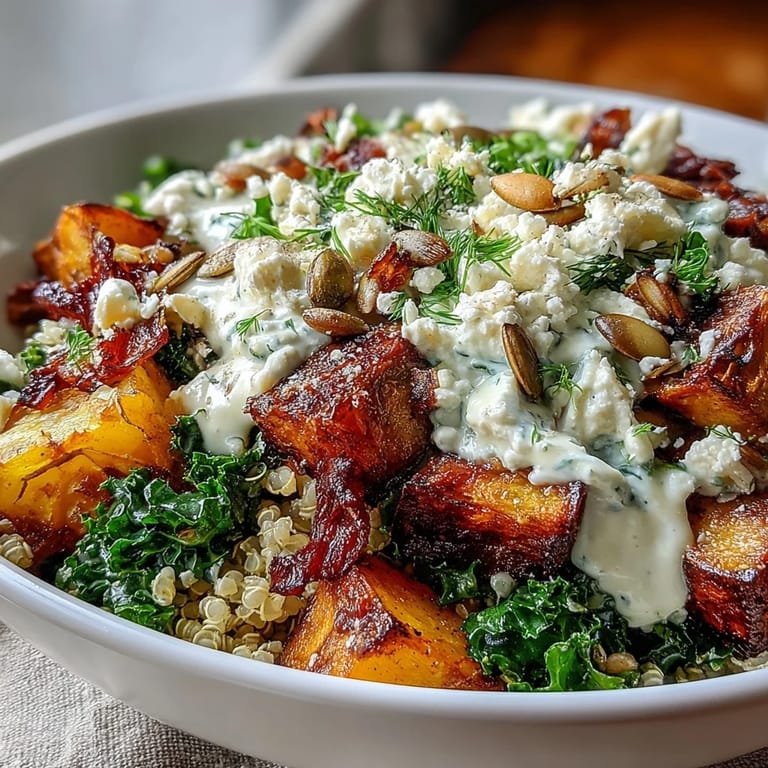
Save Last winter, I found myself standing in my kitchen on a gray afternoon, staring into my nearly empty refrigerator with that familiar feeling of needing something both warming and nourishing. I had some root vegetables that were about to turn soft, a half-box of farro, and a stubborn determination not to order takeout. What emerged from that afternoon became the bowl I now make whenever the cold creeps in and my body craves something real. It's become the kind of dish that tastes different depending on the season, the vegetables on hand, and the mood I'm in when I'm making it.
I made this for my sister on a Sunday when she was going through a phase of trying to eat better, and she asked for the recipe before even finishing her bowl. That moment when someone stops talking mid-bite because they're too busy eating—that's when you know you've made something worth remembering. Now it's her go-to when she needs to feel grounded.
Ingredients
- Farro or quinoa: Farro gives you a chewy, satisfying texture that makes the bowl feel substantial, while quinoa keeps things lighter and gluten-free; choose based on what your pantry needs and what your teeth want to sink into.
- Carrots, parsnips, and sweet potato: These three are the quiet heroes of roasting—they caramelize differently and create a range of flavors and textures that somehow work better together than any one alone.
- Olive oil: Use good oil here because it's not hidden behind other flavors; it's doing real work in both the roasting and the dressing.
- Fresh kale or Swiss chard: Don't skip the wilting step; it transforms the texture from tough to tender and makes them actually enjoyable to eat.
- Tahini: This is your dressing's backbone—look for unhulled if you want the nuttiest flavor, and make sure it's been stored properly so it's not separated into a sad pile of oil.
- Lemon juice: Fresh is non-negotiable; bottled won't give you the brightness this bowl deserves.
- Maple syrup: Just enough to balance the tahini's earthiness and make the dressing taste like someone actually cared.
- Dijon mustard: A small amount adds tang and emulsifies the dressing better than you'd expect.
- Pumpkin seeds and optional toppings: Toast your own if you have time; they'll be crunchier and fresher, and the smell while they're toasting is honestly half the appeal.
Tired of Takeout? 🥡
Get 10 meals you can make faster than delivery arrives. Seriously.
One email. No spam. Unsubscribe anytime.
Instructions
- Heat your oven and prep the vegetables:
- Get your oven to 400°F and while it's warming, peel and chop your carrots, parsnips, and sweet potato into roughly the same size so they roast evenly. Toss them with olive oil, thyme, salt, and pepper, then spread them out on a baking sheet in a single layer—don't crowd them or they'll steam instead of caramelize.
- Start the grains:
- While the vegetables are going into the oven, rinse your farro or quinoa under cool water, then combine with vegetable broth in a saucepan. Bring it to a boil, then reduce the heat, cover, and let it simmer quietly until the grains are tender and have absorbed most of the liquid.
- Roast until golden:
- Let the vegetables roast for about 25 to 30 minutes, stirring them halfway through so they get color on all sides. You're looking for them to be golden at the edges and tender enough that a fork slides through easily.
- Sauté the greens:
- Warm a large skillet over medium heat with a tablespoon of olive oil, add your minced garlic, and let it become fragrant for just 30 seconds—any longer and it tastes bitter. Add your chopped greens and a pinch of salt, then stir them until they're wilted and dark, which takes about 3 to 4 minutes.
- Make the dressing:
- Whisk together tahini, lemon juice, maple syrup, warm water, and Dijon mustard until it's smooth and creamy; if it looks too thick, add water a tablespoon at a time until you have a consistency that drizzles easily but still clings to the vegetables. Taste it and adjust the salt and pepper until it makes you want to pour it on everything.
- Assemble your bowls:
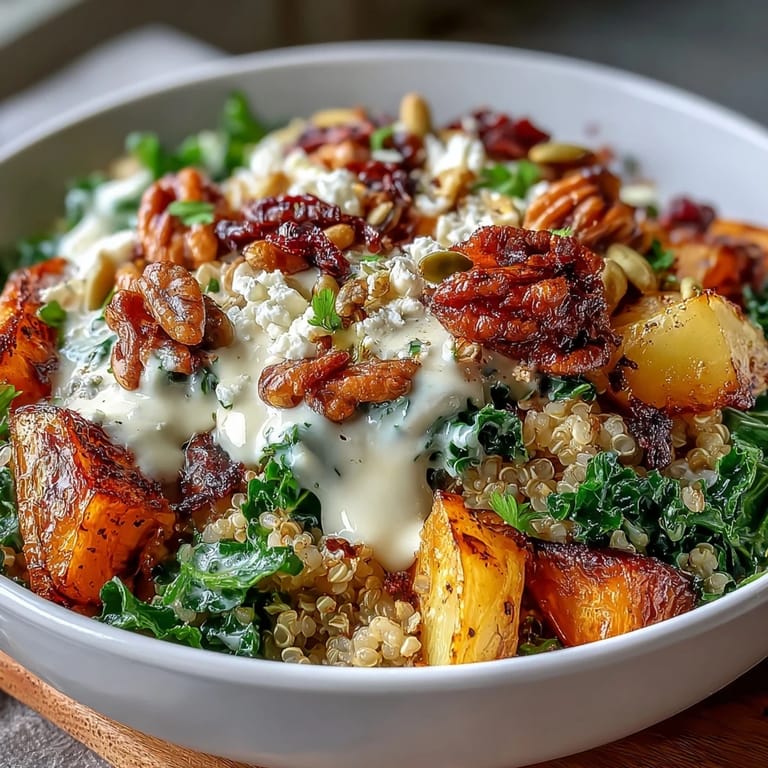
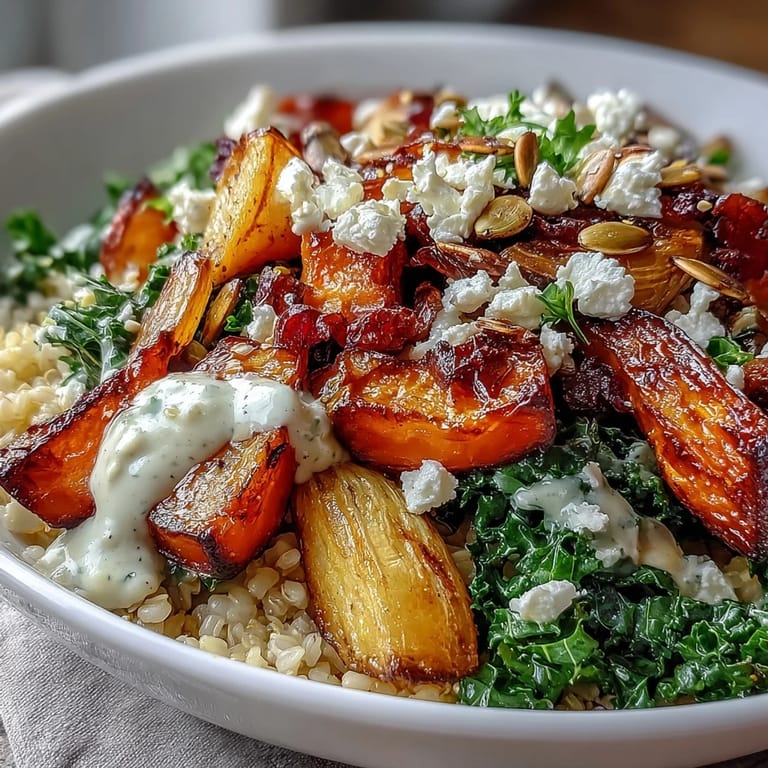
- Divide the warm grains among bowls, then arrange the roasted vegetables and wilted greens on top of each one. Drizzle generously with your tahini dressing—don't be shy; this is where the magic happens.
- Garnish and serve:
- Top with toasted pumpkin seeds, crumbled feta if you're using it, and fresh parsley, then serve everything while it's still warm so the heat softens the feta and releases the flavor of the herbs.
 Save
Save There was a morning last February when my roommate came into the kitchen, saw me assembling one of these bowls, and asked if we could make them together as a weekly ritual. Something about having a shared meal to look forward to completely changed how we both approached the week. Food can be nourishment, sure, but sometimes it's also an anchor point in the chaos.
Why Grains Matter Here
The grain is your foundation, and the choice you make changes everything about how the bowl tastes and feels. Farro has a nutty chew that stands up to the earthiness of roasted root vegetables, while quinoa is lighter and lets the other flavors come through more clearly. I've made this with barley when farro was out, and with millet when I was being adventurous, and both worked beautifully. The grain should warm you, so don't skimp on the cooking time or try to rush it; let it become tender enough that it actually feels comforting in your mouth.
The Secret Power of the Tahini Dressing
This dressing is honestly why people ask for the recipe. Tahini is often treated like an afterthought, but when you pair it with lemon, maple, and just a whisper of mustard, it becomes something that transforms plain vegetables into something craveable. The warm water is crucial because it helps the tahini emulsify instead of staying thick and separated. I've learned to make it at room temperature rather than cold, which helps it come together more smoothly and dress the warm vegetables without seizing up.
Building Layers of Flavor
What makes this bowl work is the contrast between warm and cool, earthy and bright, soft and crunchy. The roasted vegetables give you caramelized depth, the greens add a slight bitterness that makes everything else taste more interesting, and the dressing ties it all together with acid and creaminess. The pumpkin seeds at the end aren't just garnish—they're the crunch that keeps your mouth interested. When you're assembling your bowls, think about how each component is contributing something different, and don't skip any of them.
- Toast your own pumpkin seeds in a dry skillet for about 5 minutes if you have fresh ones; the flavor is noticeably better than store-bought.
- Warm your bowls slightly before assembling if you want the grains and vegetables to stay hot longer.
- The dressing is good on almost anything, so don't limit it to just this bowl—it works on simple roasted vegetables or even as a dip for fresh bread.
 Save
Save This bowl reminds me that the best meals are the ones you can make without thinking too hard, the ones that nourish you without demanding anything fancy. That's the kind of dish worth holding onto when winter feels long.
Recipe FAQs
- → Can I prepare the components ahead of time?
Yes, the grains and roasted vegetables can be made up to 3 days in advance. Store them separately in airtight containers and reheat gently before assembling. The dressing also keeps well for up to a week when refrigerated.
- → What other grains work well in this bowl?
Brown rice, barley, wheat berries, or even millet make excellent substitutions. Adjust cooking times accordingly—brown rice takes about 45 minutes, while millet cooks faster than quinoa.
- → How can I add more protein?
Consider adding roasted chickpeas, crispy tofu cubes, grilled chicken, or even a poached egg on top. Lentils also complement these flavors beautifully and can be cooked along with the grains.
- → Is this suitable for meal prep?
Absolutely. Assemble individual containers with grains at the bottom, topped with vegetables and greens. Store dressing separately and drizzle just before eating to maintain optimal texture.
- → Can I use different vegetables?
Feel free to experiment with beets, turnips, butternut squash, or Brussels sprouts. The roasting method works beautifully for most hearty winter vegetables that hold their shape well.
- → How do I store leftovers?
Keep assembled bowls refrigerated for up to 3 days. The flavors meld together beautifully over time. For best results, bring to room temperature or reheat gently before enjoying.